
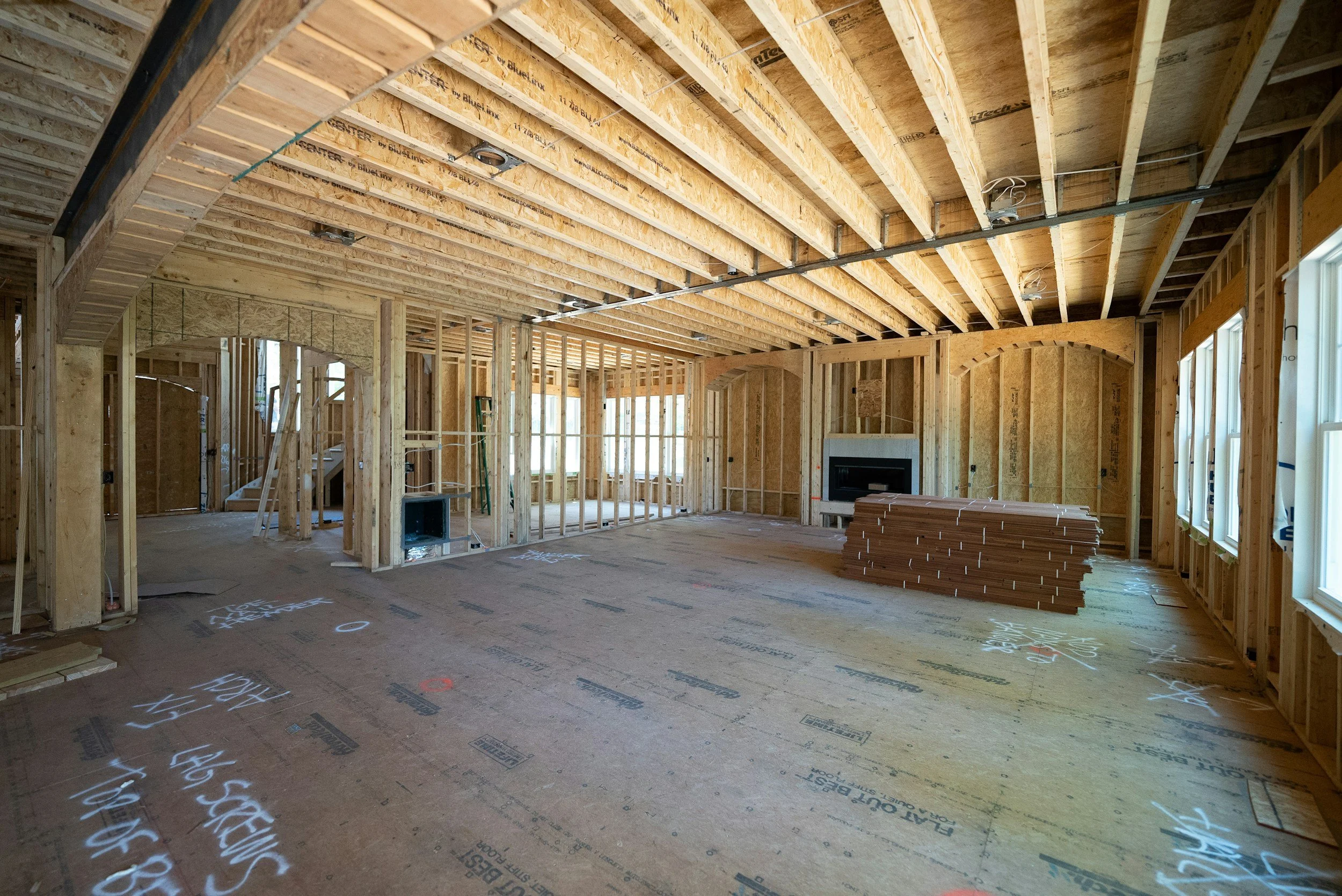
The fifteen things that disappear behind the drywall
On drywall day a set of decisions changes price. These are the fifteen: backing, boxes, framing and slack that cost almost nothing while the wall is open and a finished wall opened afterward. Each one marked standard, practice or licensed.

How much room do you need to turn around?
Getting through the door is half of it. Once you're in, you have to turn. The 60-inch circle, the 30-by-48 clear space, where they matter most, how to check a room with a piece of string, and why it's a drawing decision.
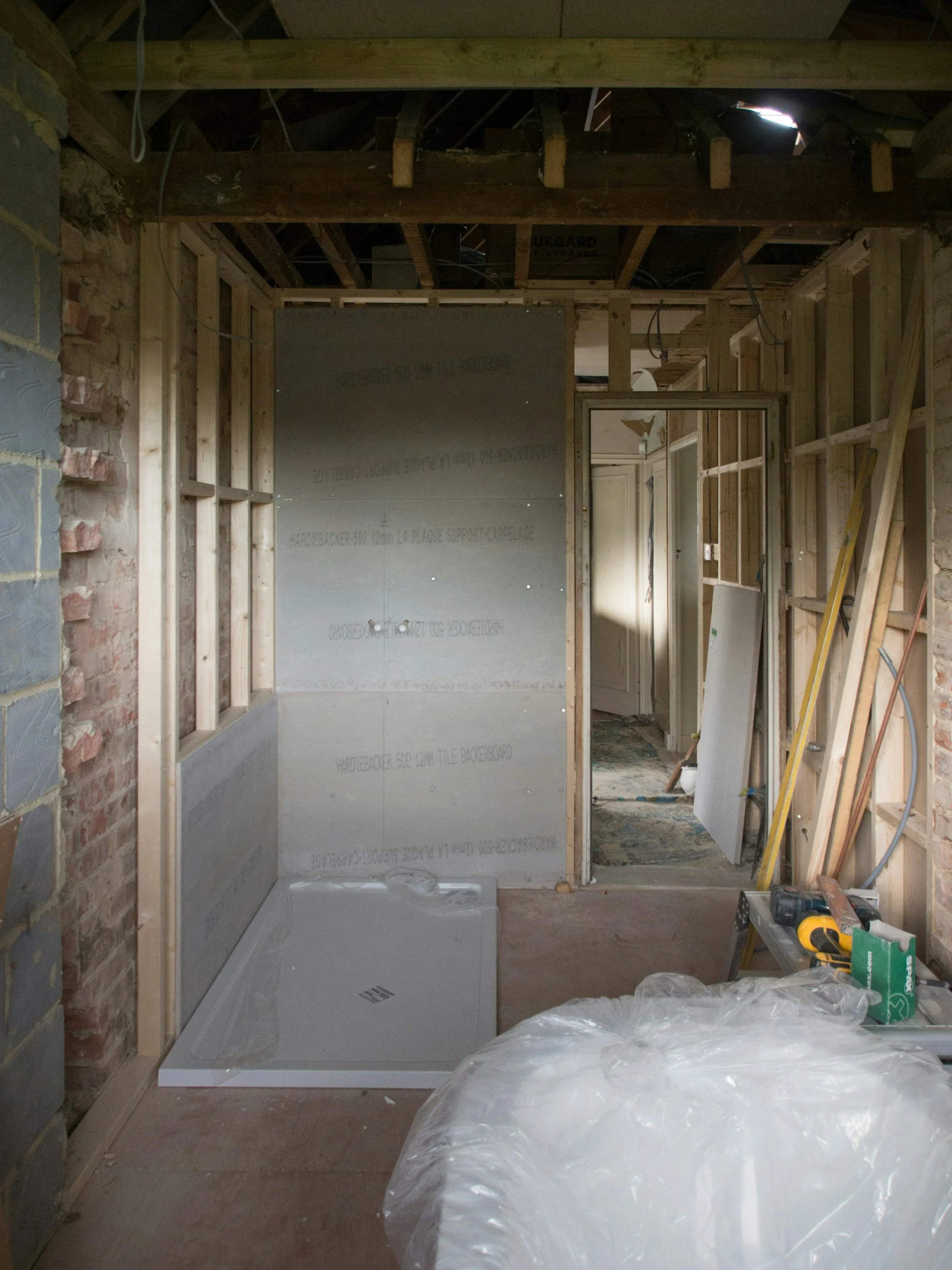
Where the shower drain goes decides everything
The drain is a hole in the floor, and once it's cut, the shower is whatever the drain allows for the life of the room. What it decides (the step, the seat, the controls), what to ask for, and the week it closes.

I'm not renovating yet. What should I do now?
Nothing drawn, nobody quoted, walls closed: the cheapest week there is. Six things to write down before a drawing exists, none of which cost money, so the decisions land on the drawing instead of in change orders.

How to get into the house without a step
A step at the front door is a step every day, with bags, in the rain, at night. The threshold and ramp numbers, why a step-free entry is free on a drawing and a project after, and what to do when the front door can't be the one.
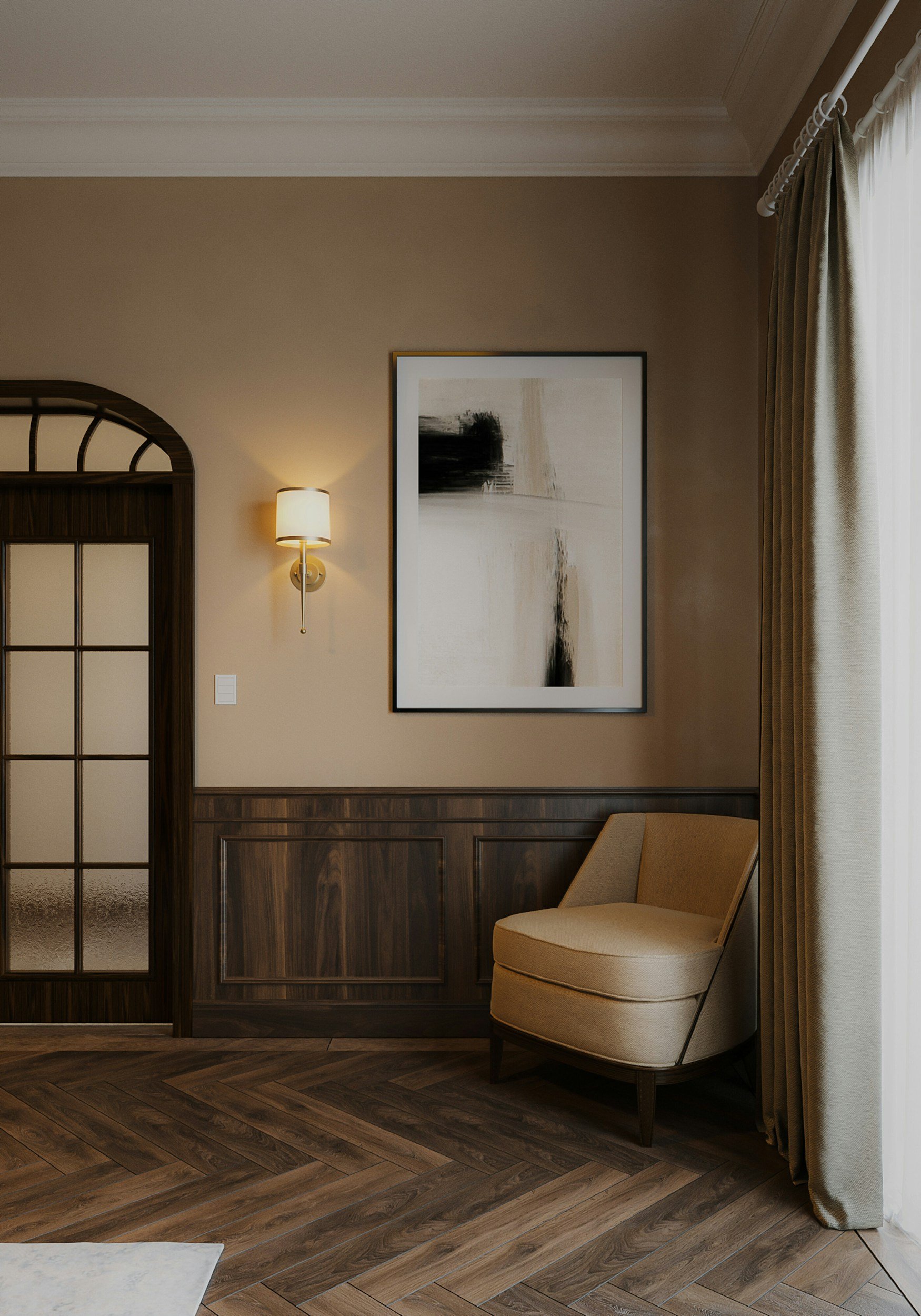
Where should light switches and outlets go?
Switches at 48 inches and outlets at the floor were never chosen for a body. Where to put them instead, which ones matter most, and why it's free the week the electrician runs the wire and a hole in the wall after.
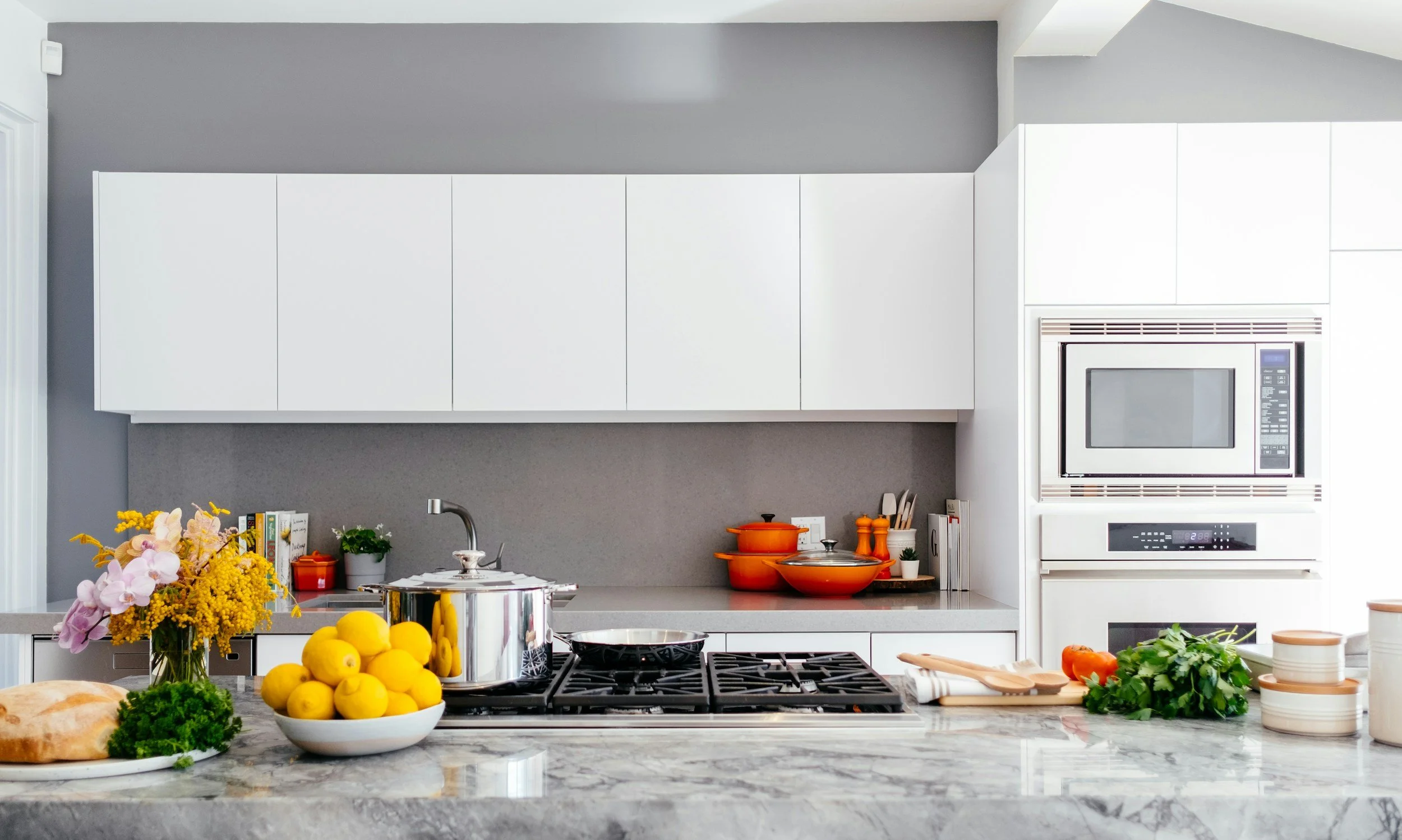
The five things your house is charging you
Before you spend anything, your house is charging you in five ways: steps, reaches, transfers, minutes and hands. Name them room by room, pick the five that cost most, and that list is what you renovate from.
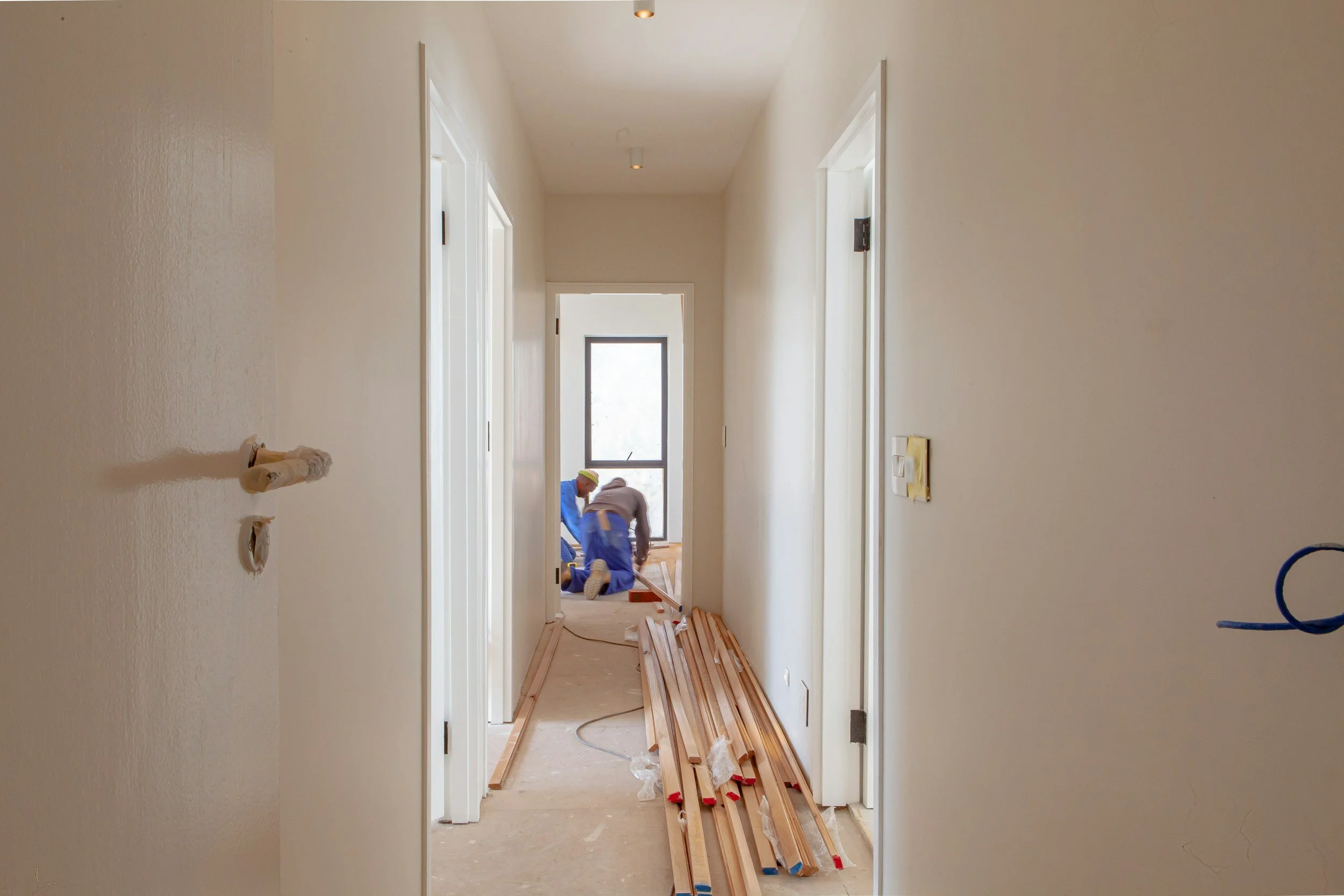
How to read three contractor quotes when your list isn't on any of them
Three quotes are almost never for the same job. Put each one next to your list of what the house has to do, mark every line priced, missing or unclear, and the question changes from "is this expensive" to "is this quote for the project I asked for."

What counter height works if you sit to cook?
Standard counters are 36 inches, set for a person standing. The seated number is 28 to 34, with room for your knees, in one stretch of the kitchen, and it closes on the cabinet order. What to ask for, and three other things to get on the same order.
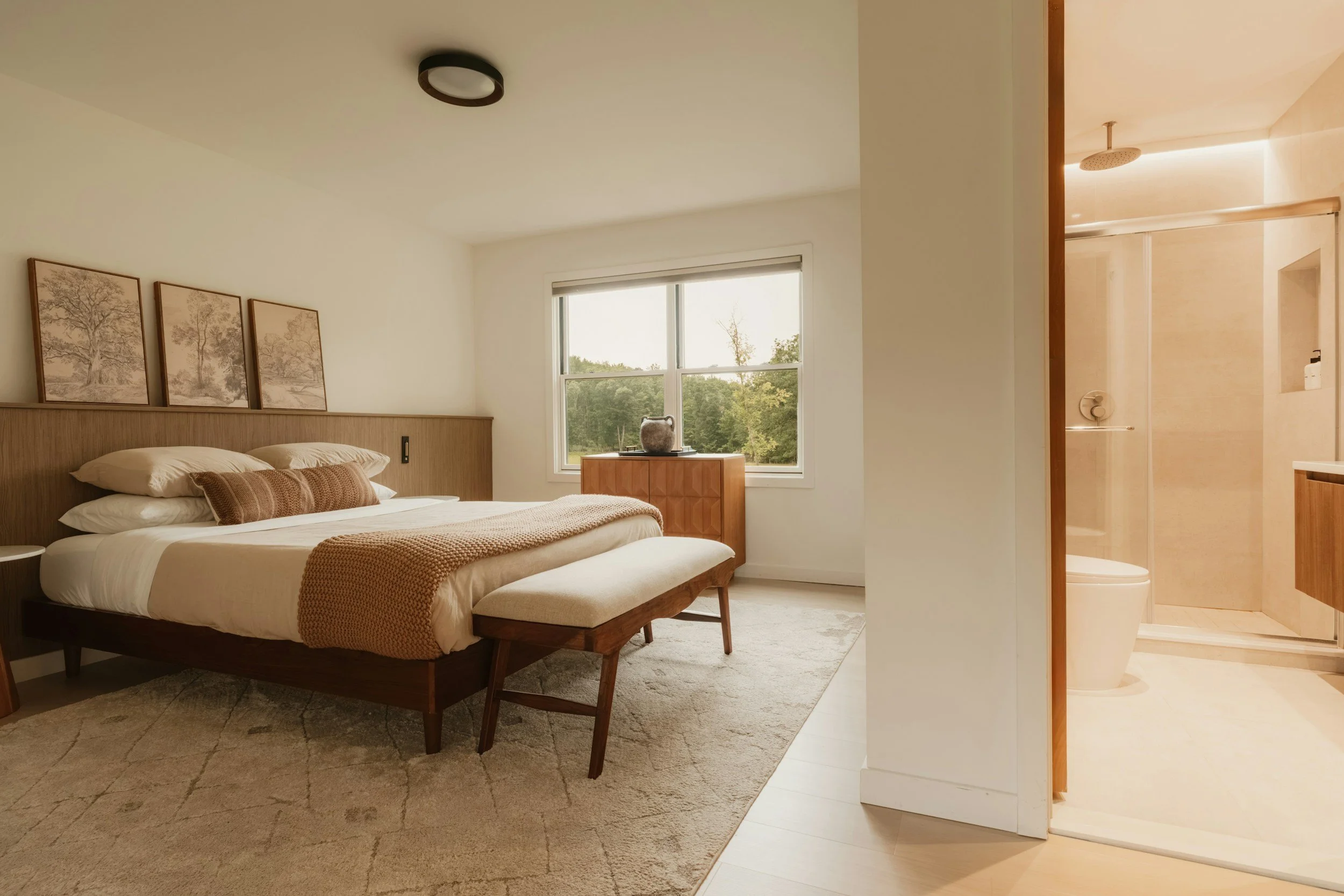
Which floor should the bedroom be on?
A flight of stairs is part of the bedroom. Why one bedroom and a full bathroom on the entry level is the first decision in a renovation, why it's free on a drawing and a second renovation later, and what to ask if the bedroom has to stay upstairs.
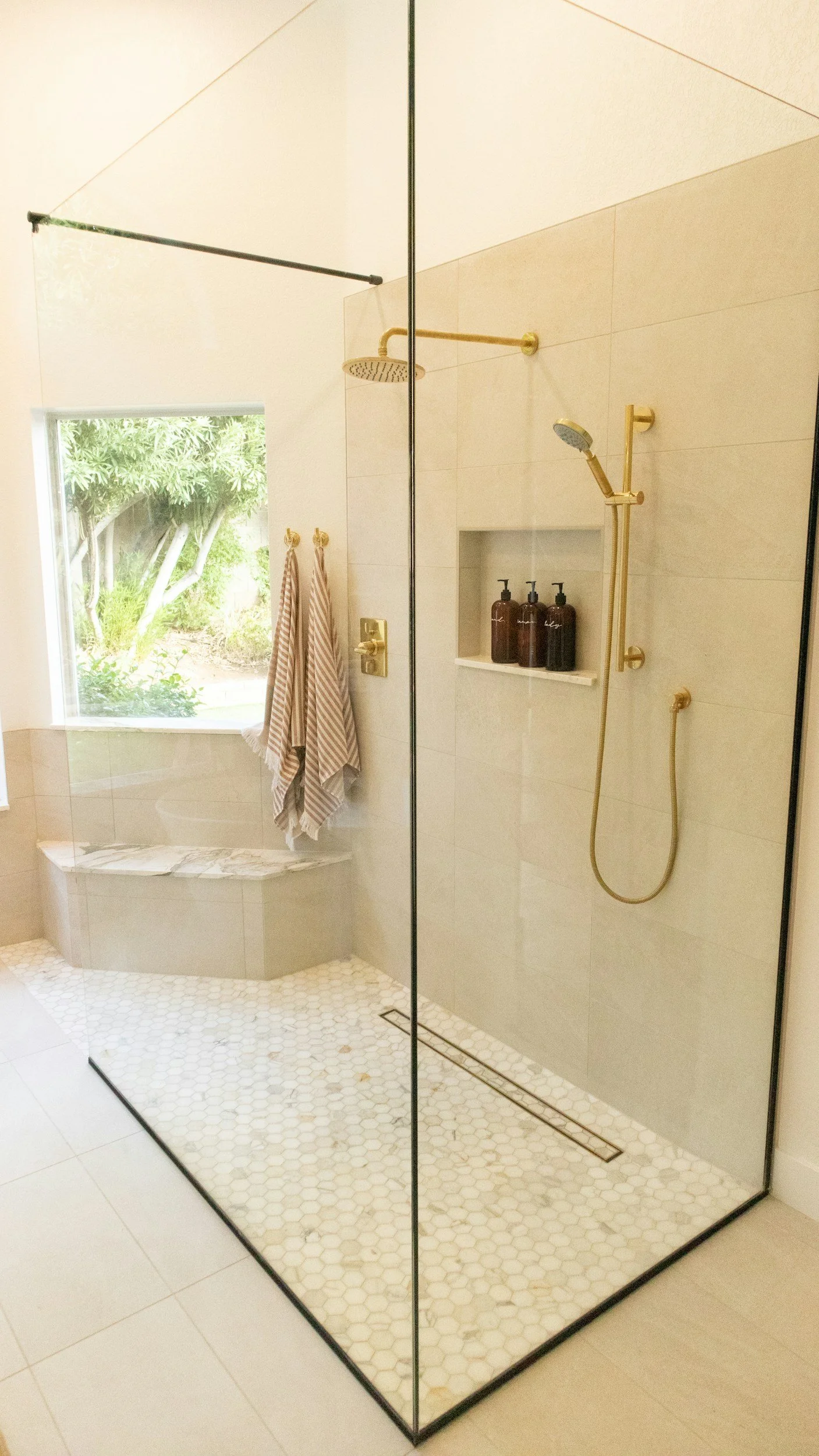
Walk-in shower or tub: which one for a body that's changing?
"I need a walk-in shower" is a product. What has to be possible on a bad day is a requirement, and it decides between a tub, a walk-in tub and a step-free shower. Plus the one decision that closes before the plumber arrives.
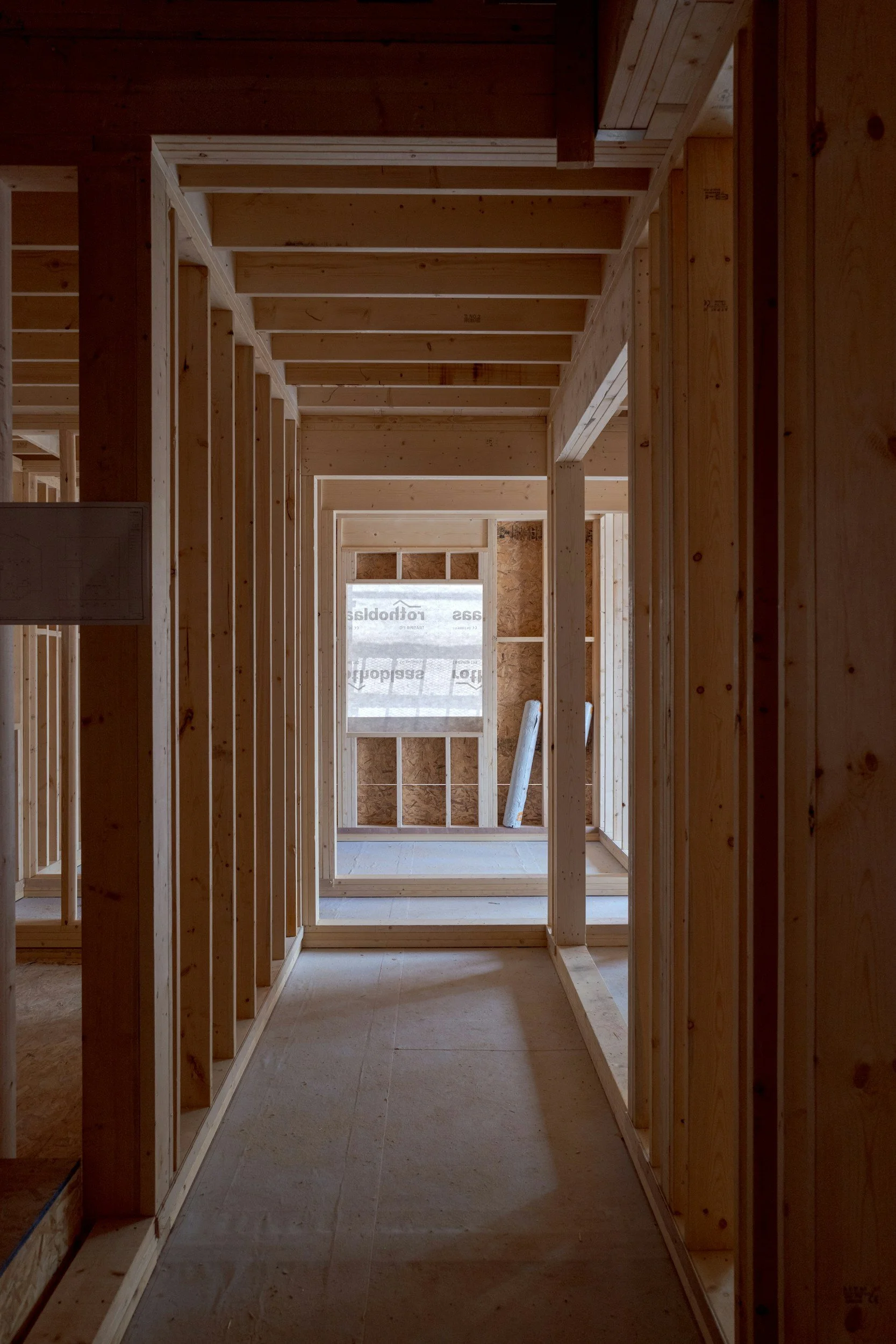
What to put behind the wall before the drywall goes up
A grab bar needs wood behind the wall, and adding it while the wall is open costs a few dollars and ten minutes. After the tile goes on, the same wood means opening the wall again. Here's where to put it, how high, and the one sentence to say to your contractor.
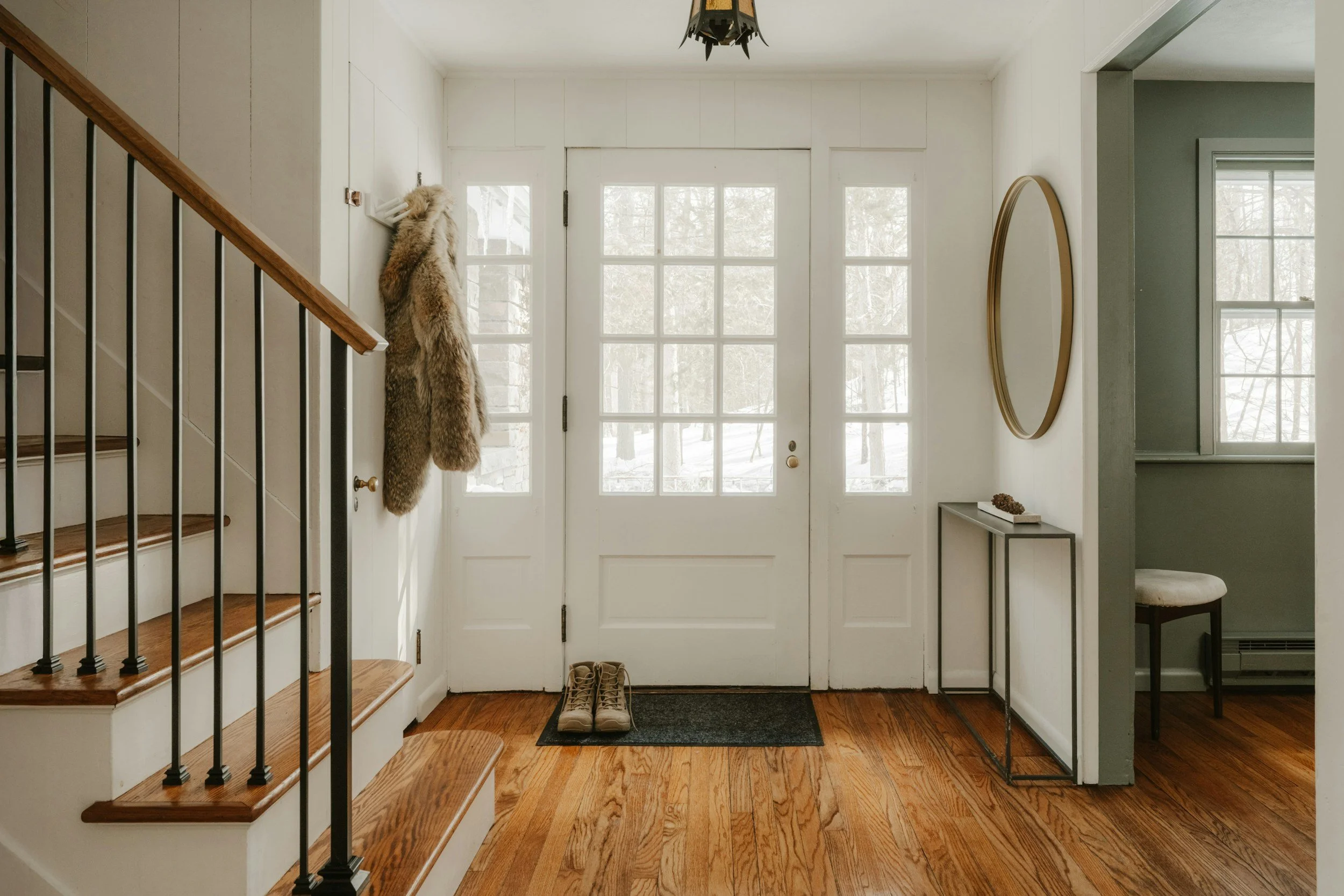
How wide does a doorway need to be for a walker or wheelchair?
Most interior doors are 28 or 30 inches. A wheelchair needs 32 of clear space, and a walker is close behind. Here are the numbers, which doors to widen first, and why this is free on a drawing and a construction job after the wall is built.
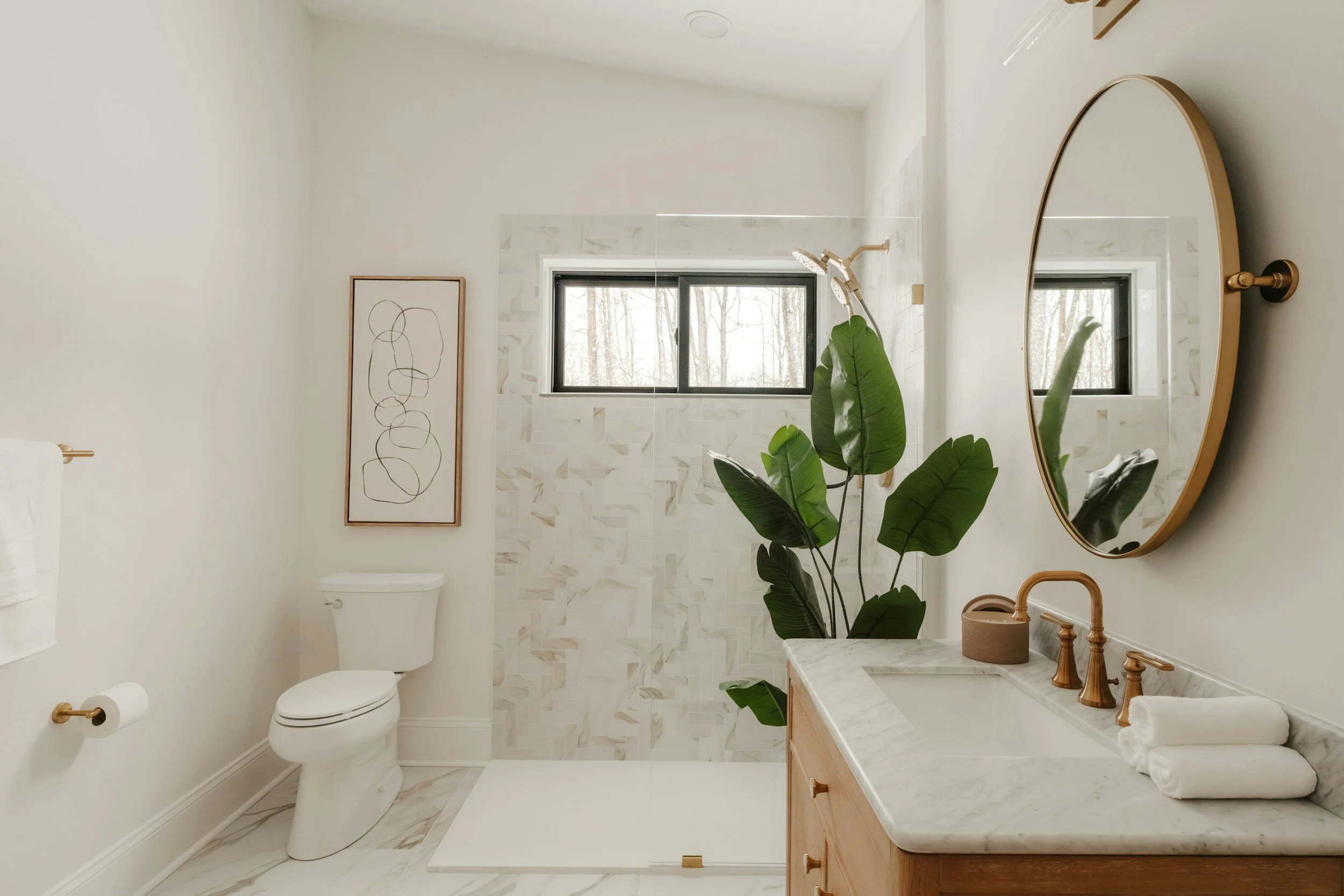
Renovating for a parent who's moving in: who gets to decide
You hold the budget and the contractor. Your parent has to live in the room. Here's what stays theirs to decide, how to ask without a fight, and which decisions about the new room close before the drawing is approved.